Yesterday I was at the UN in Geneva, speaking at the round table for energy sovereignty
Posted Friday 30 January 2026 by Urs Riggenbach.
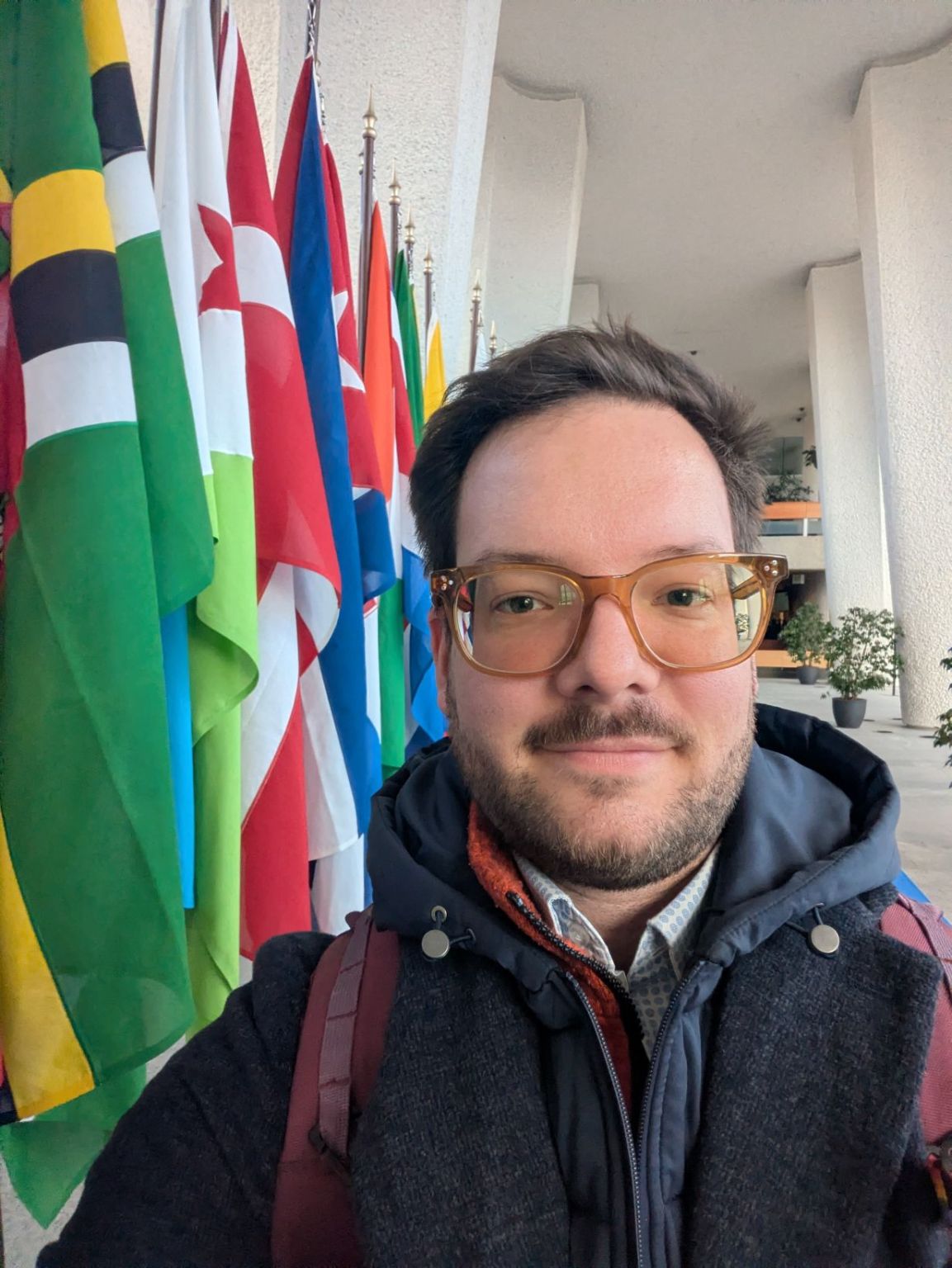 Yesterday I was at the UN in Geneva, speaking at the round table for energy sovereignty as part of the Mont Blanc Meetings on the ESS Forum International. For over 20 years I've believed in cooperatives as one of the best ways to do good, impactful business. With Lytefire we've been starting up and supporting many cooperatives, especially solar bakeries in East and West Africa. I’m sharing the first part of my notes:
 Thierry Jeantet assured me that the infamous cooperative hot spots of Emilia-Romagna and Trentino in Italy are as strong today as they were when I had a look at them 20 years ago. The cooperative landscape is "different", adapting, but very active.
It is estimated that a third of the GDP in Emilia-Romagna is produced by cooperatives. Gianluca Salvatori has been at the forefront of the research with Euricse, based out of their headquarters in Trento. These regions could be a model for a more just economy.
Alain Coheur said in the current political climate the #SSE and cooperatives are at threat as they stand for democratic institutions where local people can participate. A cooperative is a mini-democracy giving people agency. Fostering a culture of participation. It’s a lived democracy. And it is more than just voting. Being an co-owner. Taking responsibility but also getting a return. SSE and cooperatives are the opposite of and incompatible with totalitarianism. Are they at threat? Are they the solution?
Oliver Röpke reiterated: It's about sovereign nations, but this needs sovereign people. Cooperatives can provide a basis for this. Renewable energy has the potential for this. To reduce dependence, to reinforce sovereignty. That’s the reason for calling the next panel bridging cooperatives with renewable energies.
In the panel, we discussed that cooperatives have something to bring to the table in terms of affordability: When the customer is a stakeholder, prices are fair. About small vs big: Instead of chasing growth, cooperative size is based on actual markets and needs. Cooperatives federate rather than monopolize. We were able to link this to the work we do with Lytefire in different contexts: Make bread more affordable. Give people a sustainable income. Reduce energy dependency, and use the newly created autonomy to boost local democratic processes and economies.
I hope I'll find time to cover the rest of my notes as well. The last discussion of the day was this: We must actively learn to cooperate again. In the past, we teamed up by agreeing on a few big things. We left the details to be sorted further down the line. Today, we get polarized not on the big things, but on the details. Something to watch out for. Maybe another field where we can turn our attention to how cooperatives tackle that...
Thank you Anthony R. for bringing us to the table.
Also posted on:
https://www.linkedin.com/feed/update/urn:li:activity:7423037542570053632/?originTrackingId=TBQ0hveDe1XDKviHUWpbsg%3D%3D
https://lytefire.com/lytefire-at-the-un-sse-summit?var_mode=calcul


